Sometimes, but it’s usually not the best choice. A cat can physically fit into some small dog harnesses, yet the shape and pressure points often don’t match a cat’s body or behavior. Cats tend to slip backward out of loose straps, and many dog harnesses sit in ways that can restrict a cat’s shoulders or rub under the arms when they crouch, twist, or dart.
A dog harness may be workable if it’s fully adjustable, lightweight, and can be tightened without pinching. Look for a secure design with a snug chest and belly fit, plus two separate adjustment points so it doesn’t ride up toward the neck. Even then, a quick “fit check” matters: you should be able to slide two fingers under the straps, and the harness shouldn’t shift when the cat backs up.
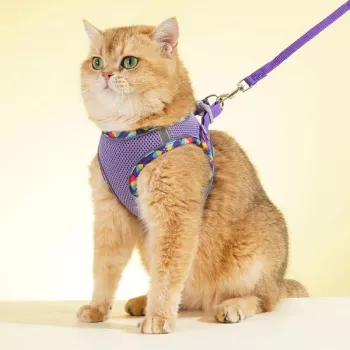
Cat harnesses are designed for feline anatomy and escape tactics. They typically distribute pressure across the chest and torso more evenly and reduce the chance of the cat backing out. Many also use softer edging to prevent chafing on sensitive areas and provide a more stable connection point for a leash.
If the harness twists, slides toward the throat, rubs under the front legs, or your cat can pull a shoulder free, it’s not a safe option. Also watch for stress signs like freezing, panting, excessive grooming, or frantic rolling—those are cues to stop and reassess.
If leash walks are the goal, start indoors with short sessions and treats so the harness becomes routine rather than a struggle. For a deeper fit-and-safety breakdown, visit the full guide here: https://tailsgallery.shop/can-a-cat-wear-a-dog-harness/.
Use a soft measuring tape around the chest (behind the front legs) and the lower neck area, then compare those numbers to the harness size chart. If your cat falls between sizes, choose the size with more adjustability and confirm you can still get a snug, two-finger fit.











Leave a comment